In South Korea, lotto fever is more than just a game; it’s a cultural phenomenon. Many South Koreans play Lotto 6/45 not only for the chance to win big but also because it has become an exciting ritual filled with hopes, dreams, and even a bit of superstition. The idea of winning the lottery is thrilling, and for some, it’s not just about luck—it’s about following certain beliefs, traditions, and rituals that might increase their chances of winning.
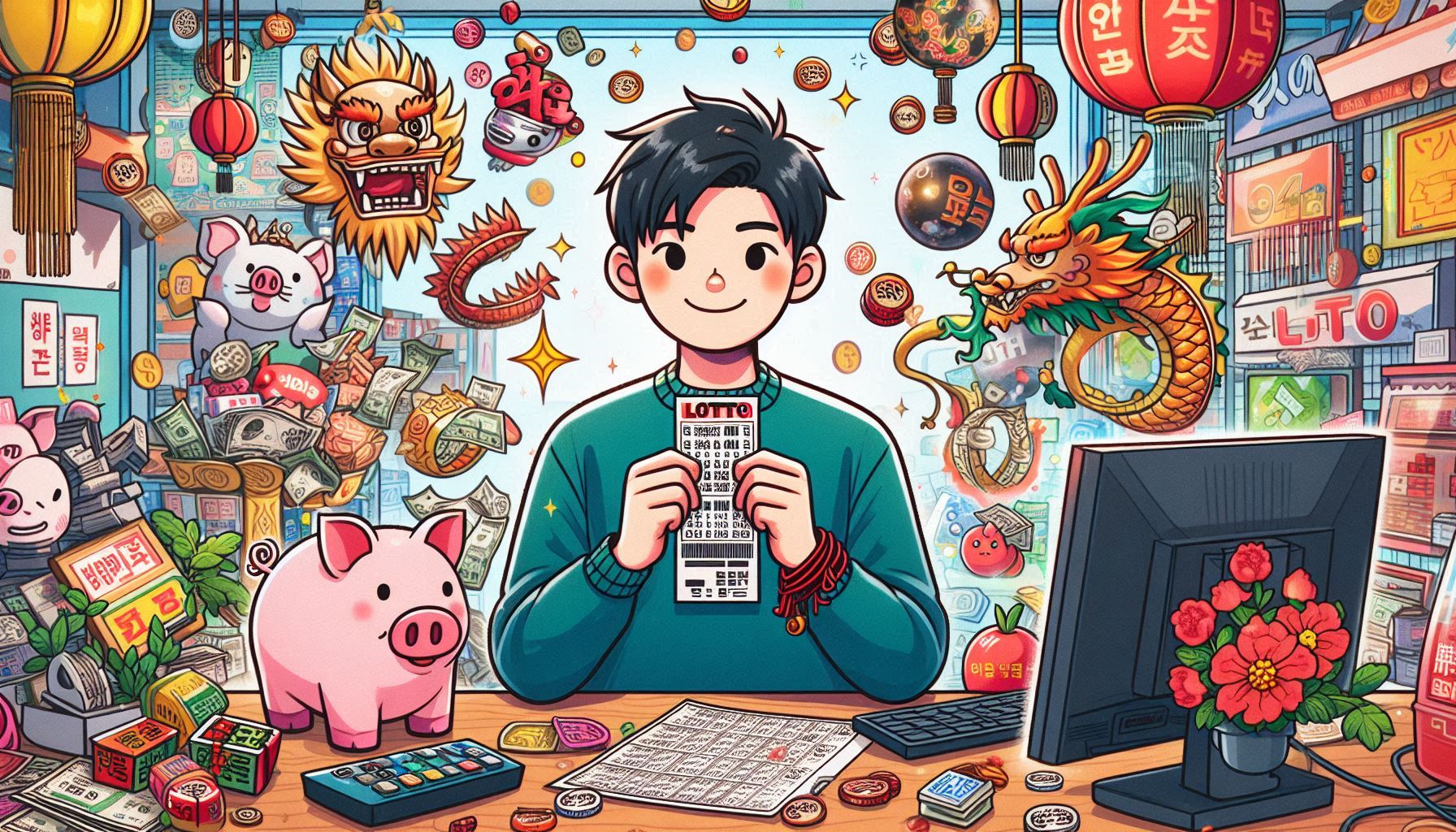
South Koreans, like many other cultures, hold onto various superstitions when it comes to buying lotto tickets. Whether it’s picking numbers based on dreams, avoiding certain “unlucky” numbers, or buying tickets at a specific time of day, these beliefs play a significant role in how people approach the game. Let’s explore some of the most common lotto superstitions in South Korea and how these traditions have become part of the fun and excitement of playing the lottery.
1. Dreams as Predictors of Winning Numbers
One of the most fascinating superstitions in South Korea is the belief that dreams can predict winning lotto numbers. It is not uncommon for people to wake up after a vivid dream and rush to write down the numbers or symbols they remember. There’s a strong belief that certain dreams, known as "good luck dreams" (길몽, gilmong), can provide hints or clues about lucky numbers.
For example:
- Dreaming about pigs is considered a sign of good fortune and prosperity. Pigs are often associated with wealth in Korean culture, and having a pig-related dream is thought to bring luck in the lottery.
- Dreaming about dragons is another symbol of power and good luck. A dragon dream is seen as a positive omen, suggesting that the person should buy a lotto ticket.
- Seeing numbers clearly in a dream is also considered a direct sign. People often use these numbers in their lotto picks, believing they hold special significance.
Many South Koreans keep a dream interpretation book (해몽 책, haemong chaek) by their bedside to help decode the meaning of their dreams and find corresponding numbers. This tradition has become a blend of cultural heritage and modern lotto excitement.
2. The Importance of Lucky Numbers
In South Korea, certain numbers are considered luckier than others. This belief comes from both traditional Korean culture and popular numerology practices. For example:
- The number 7 is seen as universally lucky and is often chosen by players hoping for good fortune.
- The number 8 is associated with prosperity and wealth in East Asian cultures, including South Korea. The shape of the number 8 resembles an infinity symbol (∞), representing endless luck.
- The number 3 is also seen as a favorable number, symbolizing harmony and balance.
On the other hand, the number 4 is often avoided because it sounds like the word for “death” (사, sa) in Korean. This superstition, known as tetraphobia, is common in many East Asian countries. Some players deliberately exclude the number 4 from their lotto picks, believing it brings bad luck.
3. Rituals When Buying Lotto Tickets
For many South Korean lotto players, the act of buying a ticket is not just a simple transaction; it’s a ritual filled with careful consideration and specific actions designed to bring good luck.
Timing Matters: Some people believe that buying a lotto ticket at certain times of the day is luckier than others. For example, purchasing a ticket in the early morning is seen as a way to "start the day with good energy." Others prefer to buy tickets in the evening, thinking it’s a better time to capture the day’s positive energy.
Location, Location, Location: There’s also a superstition around where to buy lotto tickets. Many players believe that certain lotto shops are “lucky” because they have sold winning tickets in the past. These stores often become well-known, and people will travel long distances just to buy their tickets from a reputed “lucky shop.” Some players even take it a step further by visiting different stores each time, believing that switching locations might increase their odds.
Handling the Ticket Carefully: Once the ticket is bought, players are careful not to fold, crumple, or damage it. A pristine ticket is thought to maintain good luck, while a damaged one is seen as a sign of bad fortune.
4. Rituals and Prayers for Good Luck
In South Korea, it’s common for people to say a small prayer or make a wish before checking their lotto numbers. This is rooted in the traditional belief that expressing your desires to the universe or a higher power can increase your chances of success.
Many players will also light incense or visit a shrine before checking their lotto results, asking for guidance and luck. This practice is similar to rituals seen in other areas of Korean culture, where people often pray for success before major life events, such as exams or job interviews.
5. Avoiding Bad Omens
Just as there are rituals for good luck, there are also actions to avoid bad luck. Some common superstitions include:
- Avoiding Black Cats: In South Korean culture, as in many others, crossing paths with a black cat is seen as an omen of bad luck. Players who see a black cat on their way to buy a lotto ticket might take it as a sign to try another day.
- Avoiding Negative Words: When discussing the lotto, players often avoid using words like “lose” or “bad luck.” Instead, they try to speak positively, hoping to attract good fortune.
6. Using Special Talismans for Luck
In South Korea, it’s common for lotto players to carry a good luck charm or talisman when purchasing their ticket. These can be small figurines, coins, or even pieces of jewelry believed to bring good fortune. One popular charm is the red string bracelet, which is worn as a symbol of protection and luck.
Some people also keep a small Buddhist amulet in their wallet or purse. These amulets are thought to bring blessings and can be found at temples across South Korea.
7. Following Lucky Lotto Numbers Announced on TV
Occasionally, TV shows and online content in South Korea discuss popular or “lucky” lotto numbers. While these numbers are based on past winning draws and trends, many players believe they are more likely to win if they follow these recommendations.
Watching these segments has become part of the lotto experience for many, as players eagerly take notes and use these numbers in their selections.
Conclusion: Superstition Adds Fun to the Lotto Experience
While there is no scientific evidence to suggest that these superstitions and rituals can actually increase your chances of winning, they add a layer of excitement and tradition to the game. For many players, it’s not just about winning but also about enjoying the process and feeling a connection to something bigger than themselves.
In South Korea, the lotto is more than just a way to make money; it’s a cultural event filled with hope, dreams, and a touch of magic. Whether you believe in superstitions or not, they play a big role in how people approach the game and make playing the lotto a unique experience.
So, next time you play Lotto 6/45, why not try out one of these common rituals or beliefs? Even if it doesn’t lead to a win, it might just make the experience a bit more fun and meaningful.
'Stories & Culture' 카테고리의 다른 글
| Why Some People Always Play the Same Numbers: A Deep Dive (0) | 2024.11.13 |
|---|---|
| Lotto in Pop Culture: How It’s Portrayed in Movies and Shows (0) | 2024.11.12 |
| Lotto Stories: A Day in the Life of a South Korean Lotto Retailer (1) | 2024.11.10 |
| The Most Famous Lotto Winners in South Korea: Where Are They Now? (0) | 2024.11.10 |